

AngL0306@outlook.com
Short answer: no. A steam mop should not be used on luxury vinyl plank (LVP) flooring. The high heat and pressurized moisture that make steam mops effective on tile or sealed concrete also attack the weakest points of an LVP installation: the seams, the edges, and the adhesive bond between the wear layer and the core. If you have been told that LVP is waterproof, that does not make it steam-proof. Repeated steam exposure can lead to edge peeling, swelling, and warping that may not be covered under warranty. Before you spend money on a steam mop for your new floor, it helps to understand exactly what is happening at the plank level.
Contenido
LVP is a composite product, not a monolithic slab. A typical plank consists of a transparent wear layer, a printed decor film, a rigid PVC core, and a backing. The layers are bonded with heat-sensitive adhesives, and the total thickness may be only 4 to 8 mm. There is no continuous waterproof membrane inside the plank. Steam cleaning forces two things into that structure that it is not designed to handle: heat and water.
Steam mops generate steam at temperatures well above 100°C at the nozzle. Even if the temperature settles on the floor surface, the steam is still significantly hotter than the hot water in a damp mop bucket. The heat softens the adhesives and can cause the wear layer to separate from the decor film. The water carries into the click-lock joints or the dry-back adhesive seam. Once moisture reaches the core, the PVC material can swell in a localized area. That swelling creates the visible "peaking" you see at plank edges. A standard residential LVP wear layer is only 0.3 to 0.5 mm thick, and the decor film below it is printed paper or PVC. The adhesion between these layers is what holds the floor together. When that bond fails, the plank cannot be repaired.
Different LVP constructions have different weak points. In click-lock LVP, the joint is the weak point. In dry-back LVP, the adhesive layer is the weak point. In loose-lay LVP, the backing may be more vulnerable to moisture swelling. As a manufacturer of LVP, we build our products to resist normal household spills and damp mopping. We do not design them to withstand a directed jet of steam at the seams. Most LVP warranties reflect that reality: they exclude damage from steam cleaners because it falls outside normal use. If you are evaluating a dry-back LVP product, the full-surface adhesive is the most heat-sensitive part of the construction.
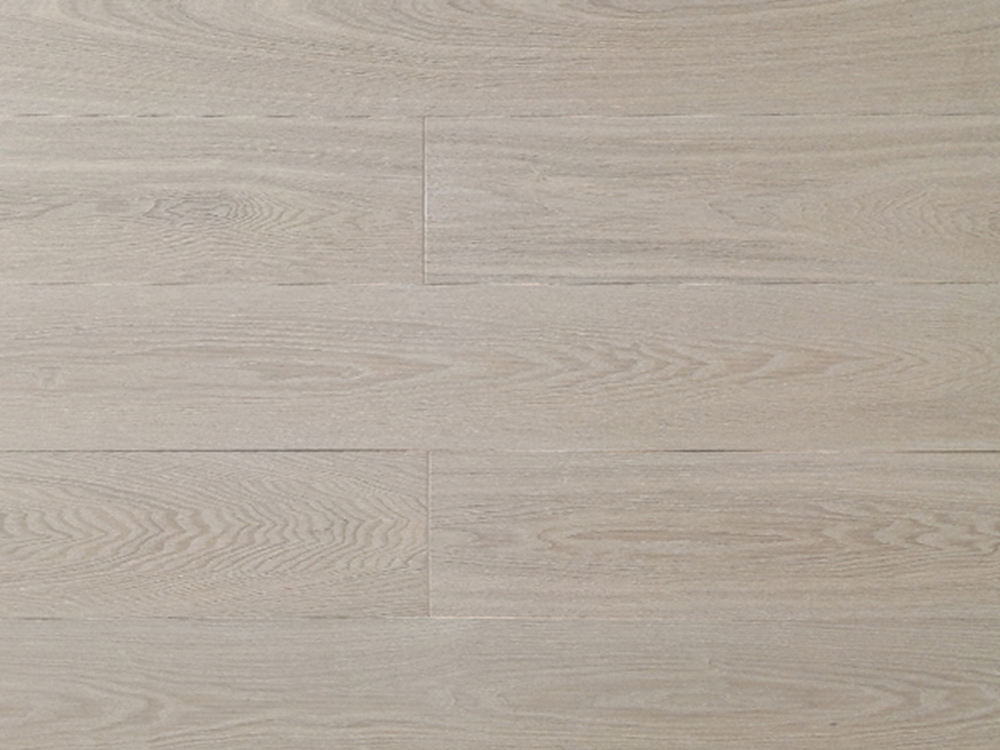
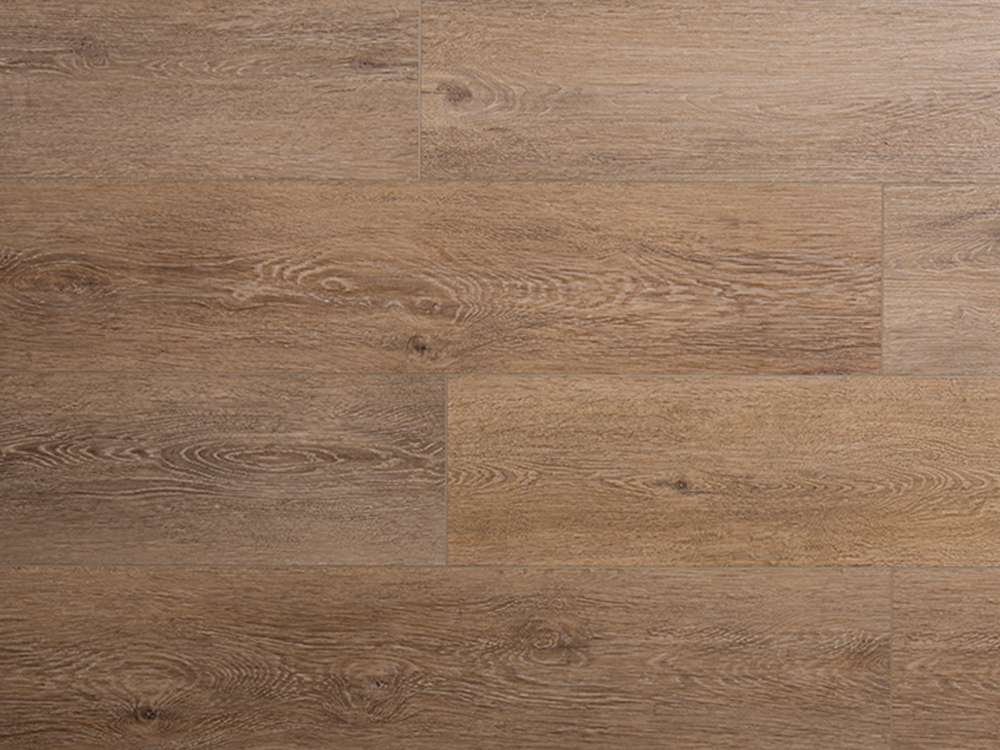
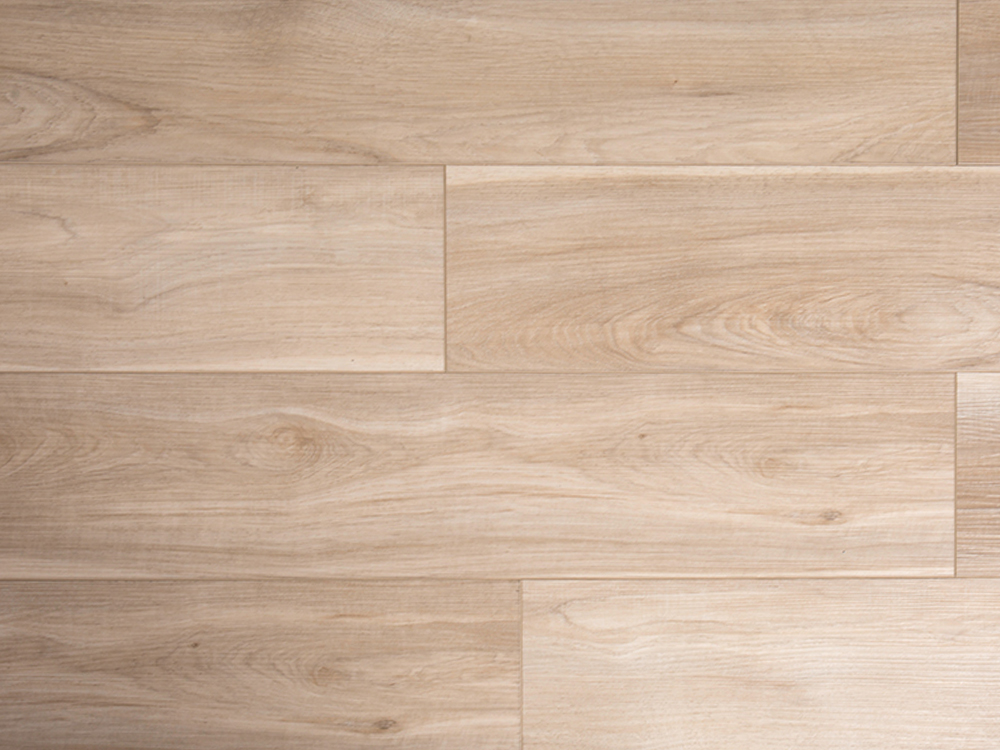
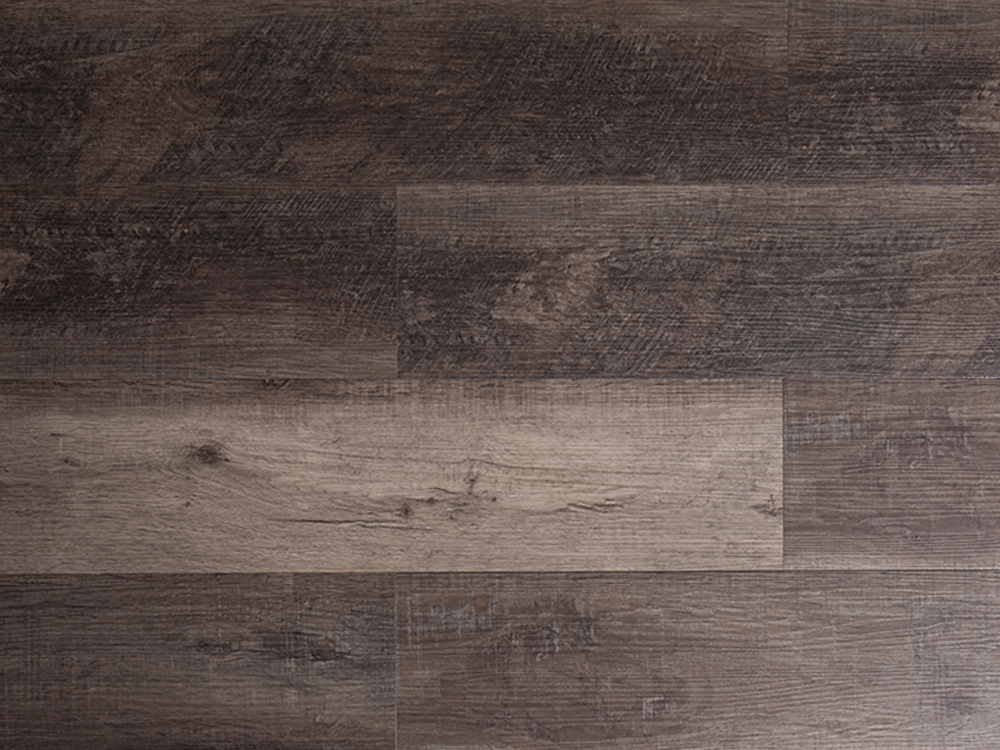
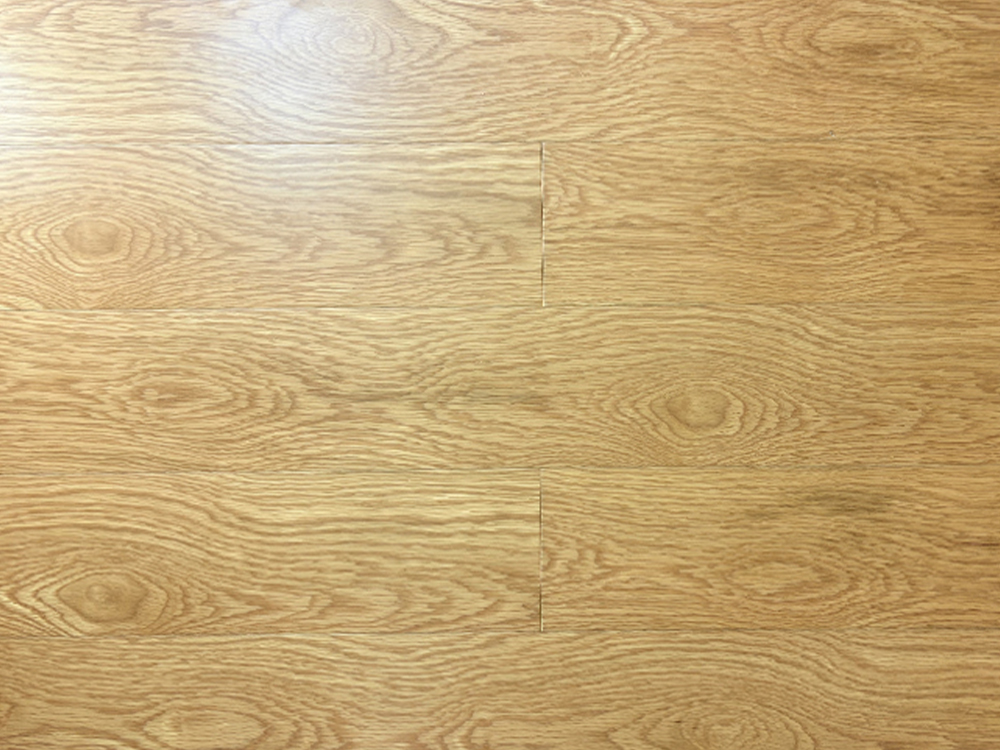
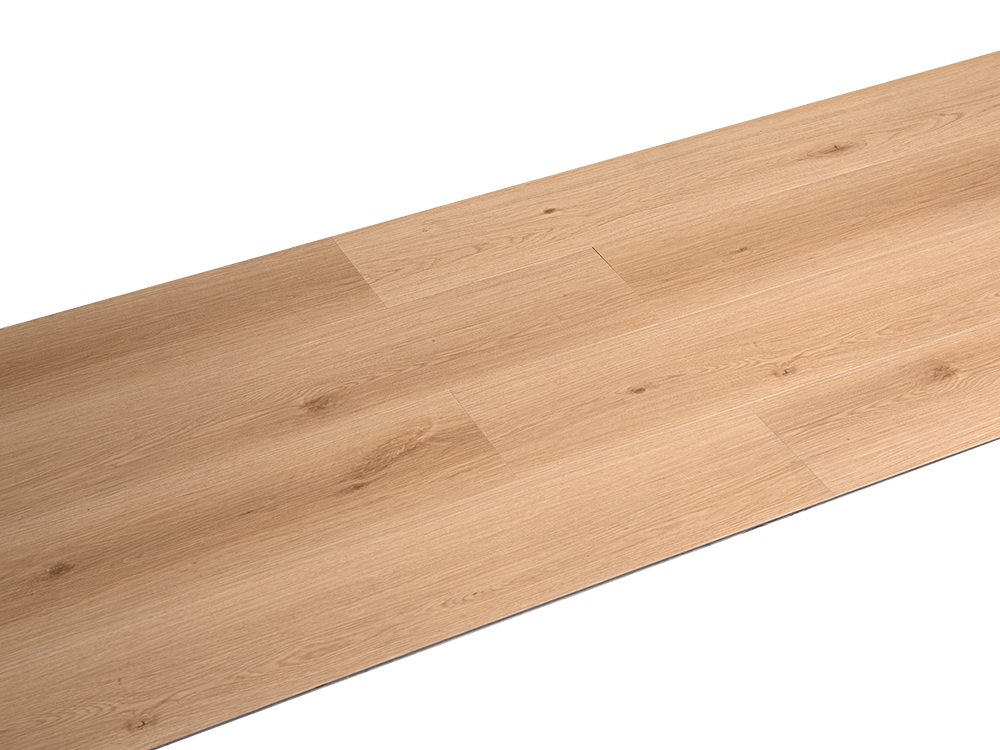 Dry Back LVT Flooring for Glue-Down Installation This economical PVC tile, 2–5mm thick, installs with adhesive. Its wear layer and printed film mimic wood or stone, suitable for residential and low-traffic commercial areas. Consider it if you prefer a stable, budget-friendly option. View Product →
 Separate the waterproof marketing from physical reality. LVP can tolerate a damp mop because the water evaporates quickly and does not enter the joint. A steam mop is different: it creates a continuous jet of wet heat that lingers at the edge of each plank. The visible symptoms are easy to spot. Planks start to cup or peak at the seams. The wear layer can peel back from the core. You may see white haze or dull spots where the steam has lifted the finish. In extreme cases, the plank becomes soft under foot and the surface loses its gloss. Once that happens, the finish is gone and the only fix is replacement.
The timing also compounds the damage. In the first 72 hours after installation, the wax coating on a click-lock tongue and groove is still settling. Steam applied early can wash that coating out of the joint, making the floor more vulnerable to future spills. If you have already used a steam mop, stop right away. Inspect the seams for any visible lifting or unevenness. Do not try to dry the floor with a hair dryer; that adds more heat and can accelerate the damage. Contact your installer or the flooring manufacturer before deciding whether a plank needs to be replaced.
For those still choosing a product, a click-lock LVP is a common choice for DIY installation because it hides the fastening inside the joint. We manufacture a click-lock LVP with a protective wax coating on the joint edges, which is one line of defense against water infiltration.
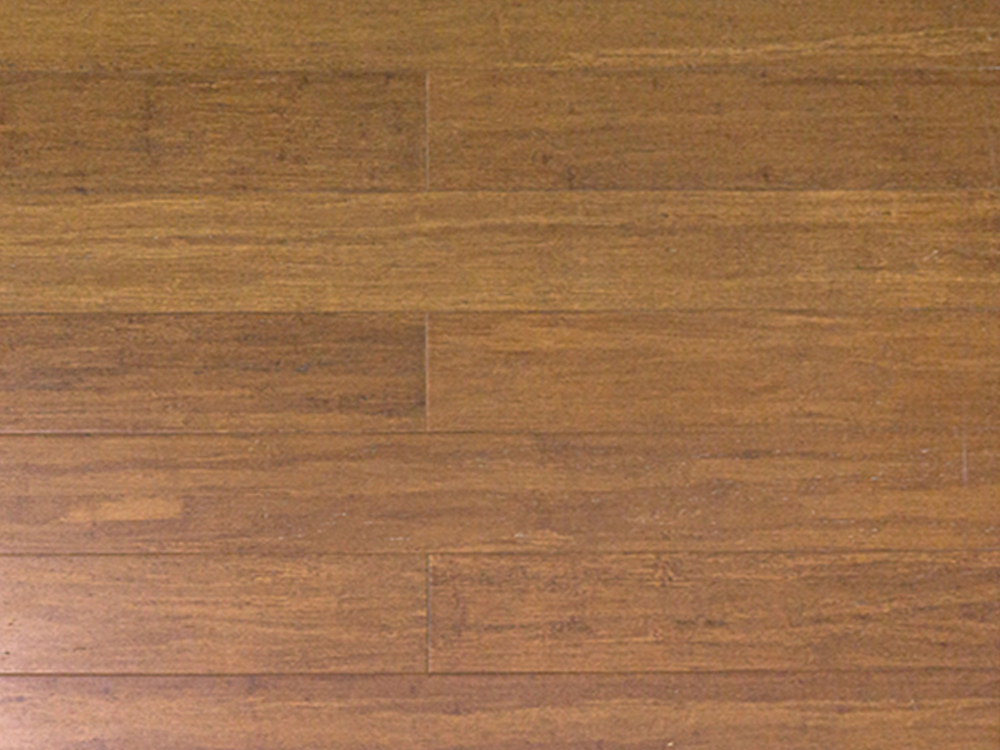
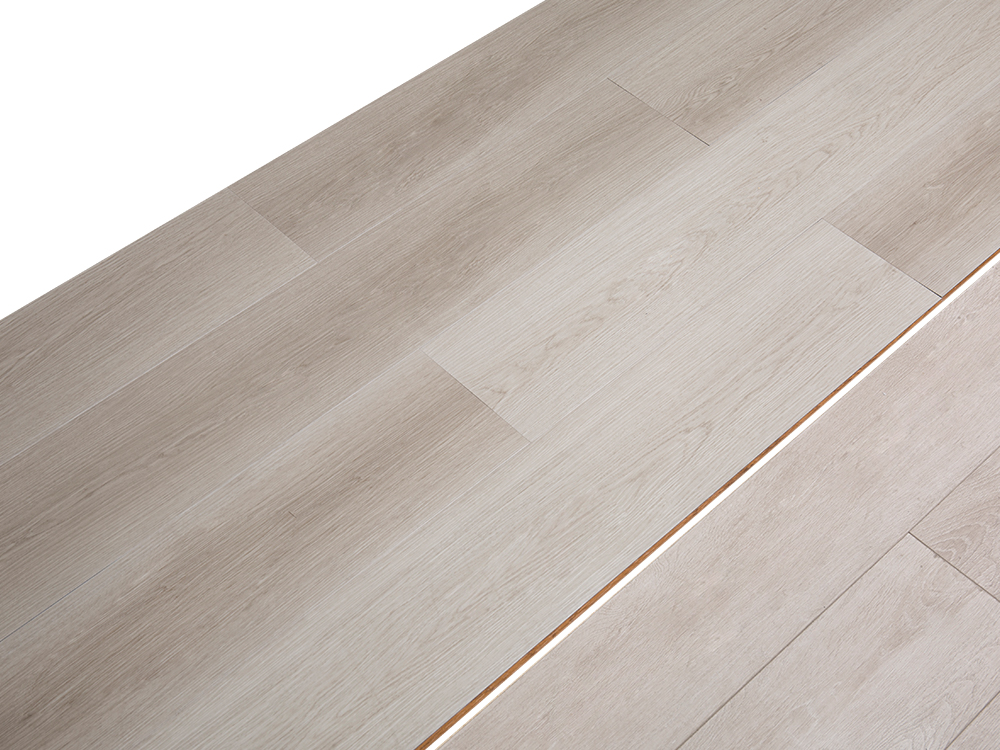 Click Lock LVT Flooring with Unilin Locking System Featuring a Unilin locking system and wax-coated joints, this 3.5–5mm plank installs without glue, offering stability and water resistance. Ideal for DIY projects and high-traffic spaces, with certifications like CE, FloorScore, and Greenguard. View Product →
 The best approach is to keep things dry. Use a vacuum or a soft-bristle broom for daily dust and dirt. When a deeper clean is needed, use a microfiber mop that has been wrung out almost completely. A simple test: after wiping, the floor should dry within a minute. If you see water streaks or puddles behind the mop, you are using too much liquid.
For stains, use a neutral pH cleaner recommended by the flooring manufacturer. A little dilute soap or a specialty vinyl floor cleaner on a microfiber cloth is enough. Avoid polishes, wax, and harsh solvents. They leave a film that attracts dirt and can cloud the finish. Never use a string mop. It holds too much water and deposits it directly at the plank seams.
Follow this sequence for a safe damp-mop clean:
For loose-lay LVP, the installation is not glued down, so the planks can be lifted individually if one is damaged. That makes repair or replacement simple, but it does not change the cleaning rule. Loose-lay still needs a damp, not wet, mop. We offer a loose-lay LVP designed for commercial traffic and easy plank replacement.
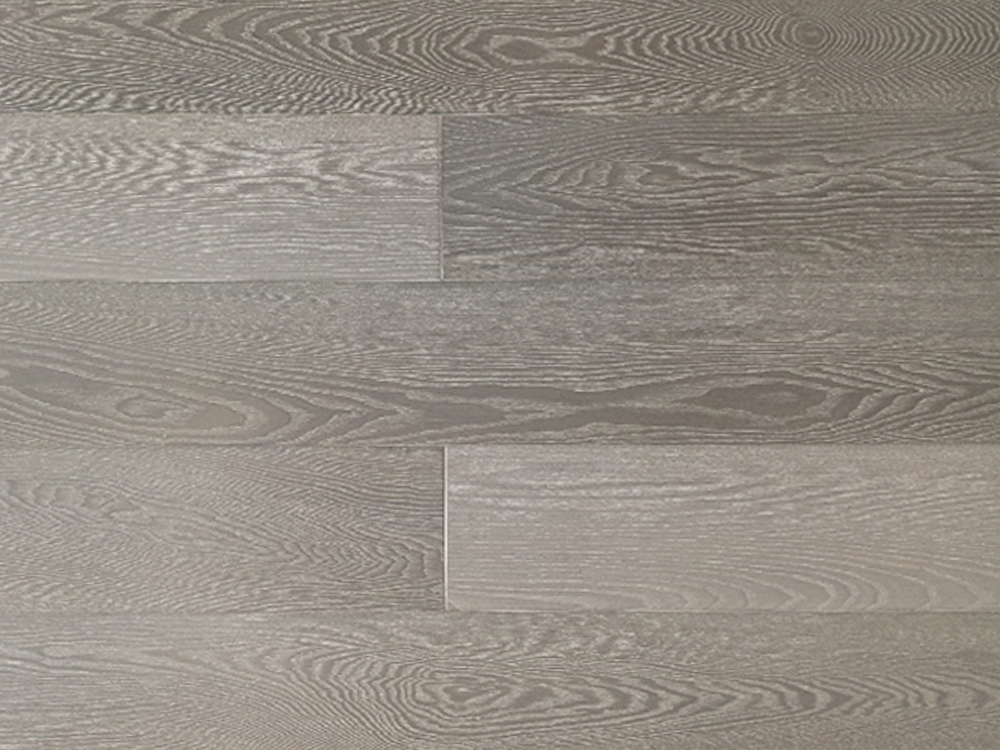
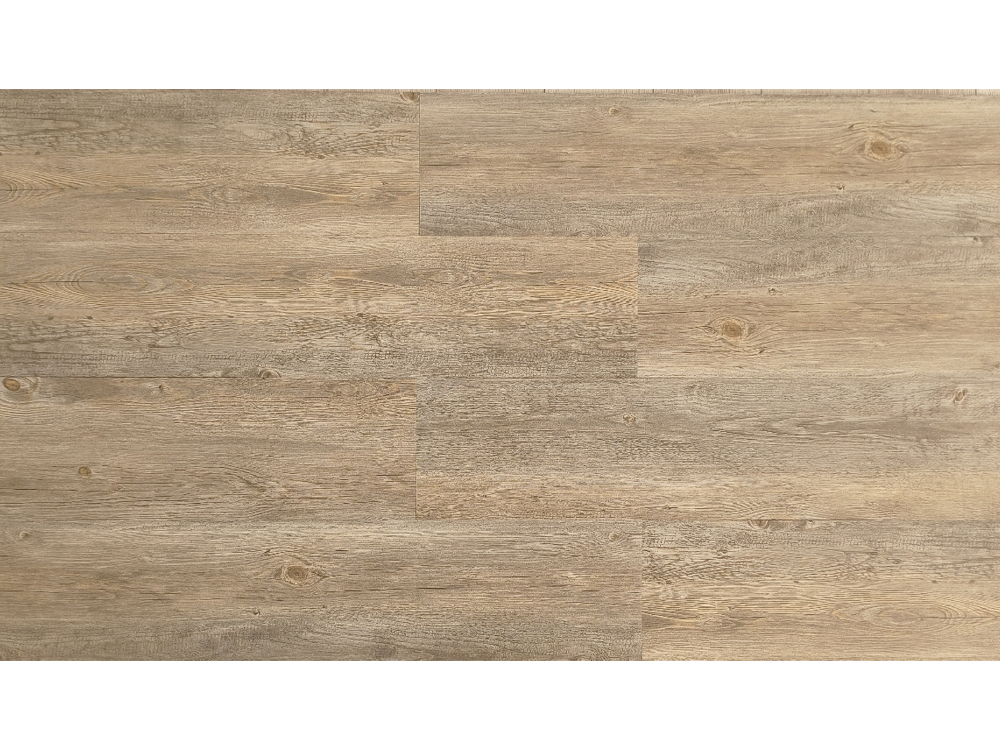 Loose Lay LVT Flooring with Self-Adhesive Backing This 4–5mm anti-slip tile uses a honeycomb backing for quick, glue-free installation. Its high friction coefficient when wet makes it safe for public and residential areas, and individual planks can be easily replaced. View Product →
 Water resistance is a real feature, but it has limits. LVP is considered water-resistant because the vinyl core does not absorb water like wood does. That is why it is used in kitchens, bathrooms, and utility rooms. However, the joints between planks are not sealed. Water can enter through the seams if you let it sit there. The difference between a damp mop and a steam mop is not just temperature; it is the volume of water and the pressure. A damp mop leaves a thin film that evaporates. A steam mop keeps feeding hot water to the seam until you move the mop away.
If you want to make LVP last, treat it like a surface that can be damaged by moisture. Keep mats at entrances, wipe spills quickly, and maintain the recommended joint treatment if you have one. For dry-back LVP, there is no tongue-and-groove seal, so the entire seam is formed by the adhesive. That makes it especially important to avoid puddles and standing water. The installation instructions from your flooring supplier should always take precedence over marketing claims.
Bottom line: do not use a steam mop on LVP. The damage may not be immediate, but it is cumulative. Heat softens adhesives, moisture enters joints, and the floor begins to deform. If you are already in the market for LVP, look for products with a strong wear layer and clear maintenance guidelines. We at Swanflor know how these floors behave, because we make them every day. If you follow the damp-mop method instead, your LVP will keep its appearance and structural integrity for much longer.


 Fabricantes de pisos de madera plástica para interiores

 English
 Español
 Deutsch